Effects of different types of antismoking ads on reducing disparities in smoking cessation among socioeconomic subgroups
- PMID: 19833980
- PMCID: PMC2775761
- DOI: 10.2105/AJPH.2009.161638
Effects of different types of antismoking ads on reducing disparities in smoking cessation among socioeconomic subgroups
Abstract
Objectives: We assessed which types of mass media messages might reduce disparities in smoking prevalence among disadvantaged population subgroups.
Methods: We followed 1491 adult smokers over 24 months and related quitting status at follow-up to exposure to antismoking ads in the 2 years prior to the baseline assessment.
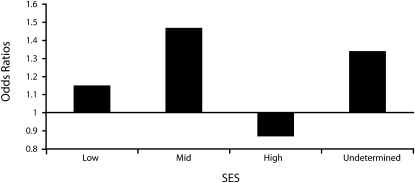
Results: On average, smokers were exposed to more than 200 antismoking ads during the 2-year period, as estimated by televised gross ratings points (GRPs). The odds of having quit at follow-up increased by 11% with each 10 additional potential ad exposures (per 1000 points, odds ratio [OR]=1.11; 95% confidence interval [CI]=1.00, 1.23; P<.05). Greater exposure to ads that contained highly emotional elements or personal stories drove this effect (OR=1.14; 95% CI 1.02, 1.29; P<.05), which was greater among respondents with low and mid-socioeconomic status than among high-socioeconomic status groups.
Conclusions: Emotionally evocative ads and ads that contain personalized stories about the effects of smoking and quitting hold promise for efforts to promote smoking cessation and reduce socioeconomic disparities in smoking.
Figures
References
-
- Jarvis MJ, Wardle J. Social patterning of individual health behaviours: the case of cigarette smoking. Marmot W, Social Determinants of Health Oxford, UK: Oxford University Press; 1999
-
- Huisman M, Kunst AE, Mackenbach JP. Inequalities in the prevalence of smoking in the European Union: comparing education and income. Prev Med 2005;40(6):756–764 - PubMed
-
- Siahpush M, Borland R. Socio-demographic variations in smoking status among Australians aged > or = 18: multivariate results from the 1995 National Health Survey. Aust N Z J Public Health 2001;25(5):438–442 - PubMed
Publication types
MeSH terms
Grants and funding
LinkOut - more resources
Full Text Sources
Medical