


Adolescent Satisfaction with Computer-Assisted Behavioural Risk Screening in Primary Care
- PMID: 19779573
- PMCID: PMC2750090
- DOI: 10.1111/j.1475-3588.2007.00474.x
Adolescent Satisfaction with Computer-Assisted Behavioural Risk Screening in Primary Care
Abstract
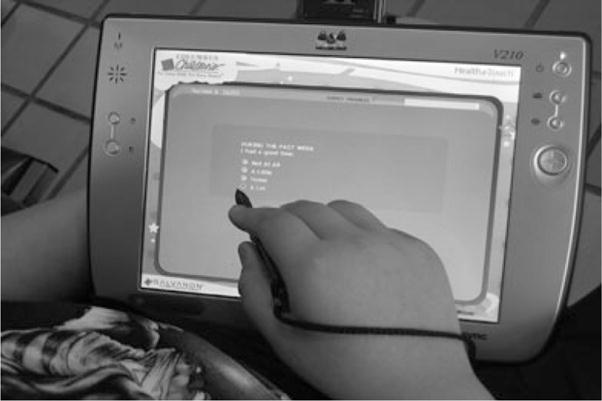
BACKGROUND: This study measures patient satisfaction with a computerised mental health and risk-behaviour screening tool and predictors of satisfaction. METHOD: Youth, aged 11-20, were recruited to use a laptop-based screening system in nine primary care clinics. The study assessed correlations between satisfaction with the system and selected predictors. RESULTS: Most users were satisfied with their experience. Multivariate logistic regression found perceived ease of use, perceived usefulness, and trust to be significantly associated with high satisfaction. Satisfaction was not related to computer experience or risk behaviour status. CONCLUSIONS: Adolescent patients, even those at risk, accept computer-assisted screening in primary care. KEY PRACTITIONER MESSAGE: Screening adolescents for behavioural and mental health issues in the primary care setting is time consuming. Computer assisted screening has the potential to improve screening. This study finds that youth will accept computerised screening if the system is perceived to be useful and easy to use.
Figures
References
-
- Agency for Healthcare Research and Quality. Children with chronic illness and disabilities. Rockville, MD: US Department of Health and Human Services; 2002.
-
- Bagley C, Genuis M. Psychology of computer use: XX. Sexual abuse recalled: Evaluation of a computerized questionnaire in a population of young adults males. Perceptual and Motor Skills. 1991;21:287–288. - PubMed
-
- Brener ND, Collins JL, Kann L, Warren CW, Williams BI. Reliability of the Youth Risk Behavior Survey Questionnaire. American Journal of Epidemiology. 1995;141:575–580. - PubMed
-
- Cawthorpe D. An evaluation of a computer-based psychiatric assessment: Evidence for expanded use. Cyberpsychology & Behavior. 2001;4:503–510. - PubMed
-
- Chen L. Enticing online consumers: An extended technology acceptance perspective. Information and Management. 2001;39:705–719.
Grants and funding
LinkOut - more resources
Full Text Sources
