


Comparison of a phased experimental approach and a single randomized clinical trial for developing multicomponent behavioral interventions
- PMID: 19254929
- PMCID: PMC2711350
- DOI: 10.1177/1740774508100973
Comparison of a phased experimental approach and a single randomized clinical trial for developing multicomponent behavioral interventions
Erratum in
- Clin Trials. 2009 Jun;6(3):289
Abstract
Background: Many interventions in today's health sciences are multicomponent, and often one or more of the components are behavioral. Two approaches to building behavioral interventions empirically can be identified. The more typically used approach, labeled here the classical approach, consists of constructing a likely best intervention a priori, and then evaluating the intervention in a standard randomized controlled trial (RCT). By contrast, the emergent phased experimental approach involves programmatic phases of empirical research and discovery aimed at identifying individual intervention component effects and the best combination of components and levels.
Purpose: The purpose of this article is to provide a head-to-head comparison between the classical and phased experimental approaches and thereby highlight the relative advantages and disadvantages of these approaches when they are used to select program components and levels so as to arrive at the most potent intervention.
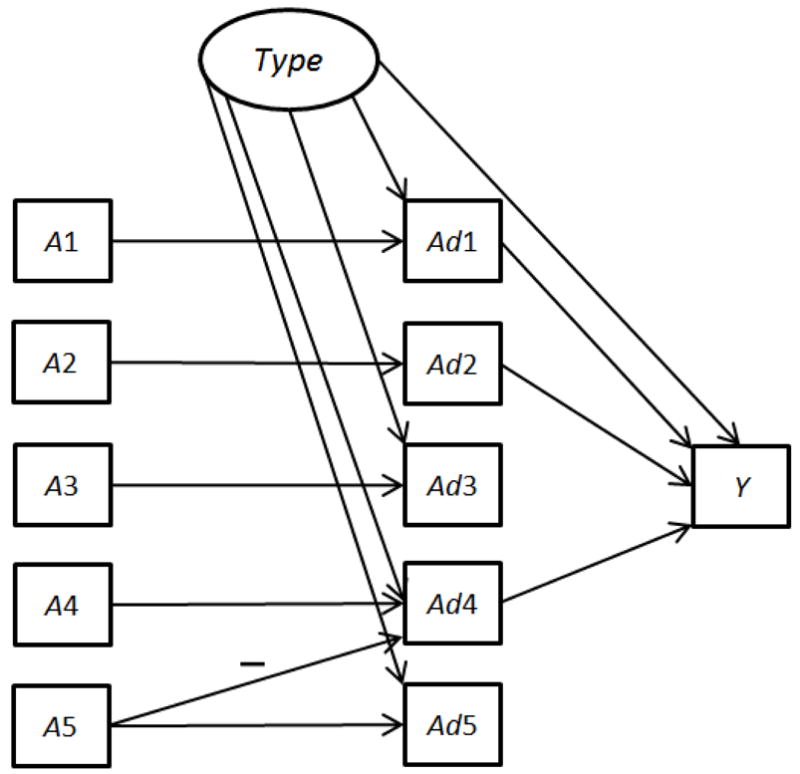
Methods: A computer simulation was performed in which the classical and phased experimental approaches to intervention development were applied to the same randomly generated data.
Results: The phased experimental approach resulted in better mean intervention outcomes when the intervention effect size was medium or large, whereas the classical approach resulted in better mean intervention outcomes when the effect size was small. The phased experimental approach led to identification of the correct set of intervention components and levels at a higher rate than the classical approach across all conditions.
Limitations: Some potentially important factors were not varied in the simulation, for example the underlying structural model and the number of intervention components.
Conclusions: The phased experimental approach merits serious consideration, because it has the potential to enable intervention scientists to develop more efficacious behavioral interventions.
Figures
References
-
- Allore HG, et al. Experimental designs for multicomponent interventions among persons with multifactorial geriatric syndromes. Clinical Trials. 2005;2(1):13–21. - PubMed
-
- Williams JW, et al. Systematic review of multifaceted interventions to improve depression care. General Hospital Psychiatry. 2007;29:91–116. - PubMed
-
- Rush AJ, et al. Acute and longer-term outcomes in depressed outpatients who required one or several treatment steps: A STAR*D report. American Journal of Psychiatry. 2006;163(11):1905–1917. - PubMed
Publication types
MeSH terms
Grants and funding
LinkOut - more resources
Full Text Sources
