
If someone you care about is living with a substance use condition, you’re not alone. There are supports available to help you.
Whether your loved one is using substances sometimes, often, or is having trouble stopping, there are ways to get support and make positive changes. Your support can go a long way in getting your loved one the help they need. Your loved one may be anyone, including your teen or adult child, partner, spouse, or other family member, or friend. Your support can help reduce the stigma, meaning shame, bias, or societal discrimination, of their substance use.
There isn’t just one right way to move forward, and help is available for anyone who wants a healthier life, no matter where they are starting from. On this page, you can learn about community support and resources you can access to help your loved one.
Get Connected
You can join The Family Work Group– a network of active and informed family members of youth, young adults, and adults who have or have had an opioid and/or substance use condition. This Rhode Island-based support group raises public awareness, educates individuals and communities, and advocates for policy reform.
What can I do?
Help your loved one
If you know your loved one or friend is using substances, there are things you can do to help prevent an overdose. If they live with you, this could mean keeping your medications locked away, learning the signs of an overdose, or knowing how to administer naloxone.
There is also a set of tools and practices you can learn to minimize the harms of substance use, including the risk of overdose. This is known as harm reduction and includes taking steps to reduce the chances of overdose, accidents, or health problems, even if someone isn’t ready or able to stop right now.
Keep your household safe
Adolescents and children often explore the things around them. They may get hold of your medications, pills, or cannabis products, especially if they are left accessible and not in a secure and out-of-reach location. Get a free medication lock bag mailed to your home to keep your children safe. You can also get rid of medications that you aren’t using anymore. If you believe you are witnessing an unintentional youth poisoning, call 911.
Get naloxone
One way to prevent a loved one from experiencing an overdose is to have naloxone in your home or on your person in case there is an overdose. This is important because in Rhode Island, more than 4 out of 5 fatal overdose deaths in 2024 occurred in private locations, like at home. Naloxone is a medicine that can save lives in an emergency, and having it readily available does not make people more likely to use drugs. It simply means you’re ready to help in case of an emergency, just like keeping a fire extinguisher at home.
Always call 911 and administer naloxone every two minutes if you think someone is overdosing.
Recognize and respond to an overdose
If you think someone is overdosing, you need to act fast. Always call 911 first and administer naloxone every two minutes, if you have it. 911 emergency dispatch will instruct you on how to support the person’s breathing. If they are still sedated but breathing is restored, place them in the recovery position. This will help them breathe while you wait for first responders to arrive.
The Good Samaritan Law provides certain legal protection when you call 911 when someone is overdosing, whether you have drugs on you or not.
Learn about resources for overdose prevention
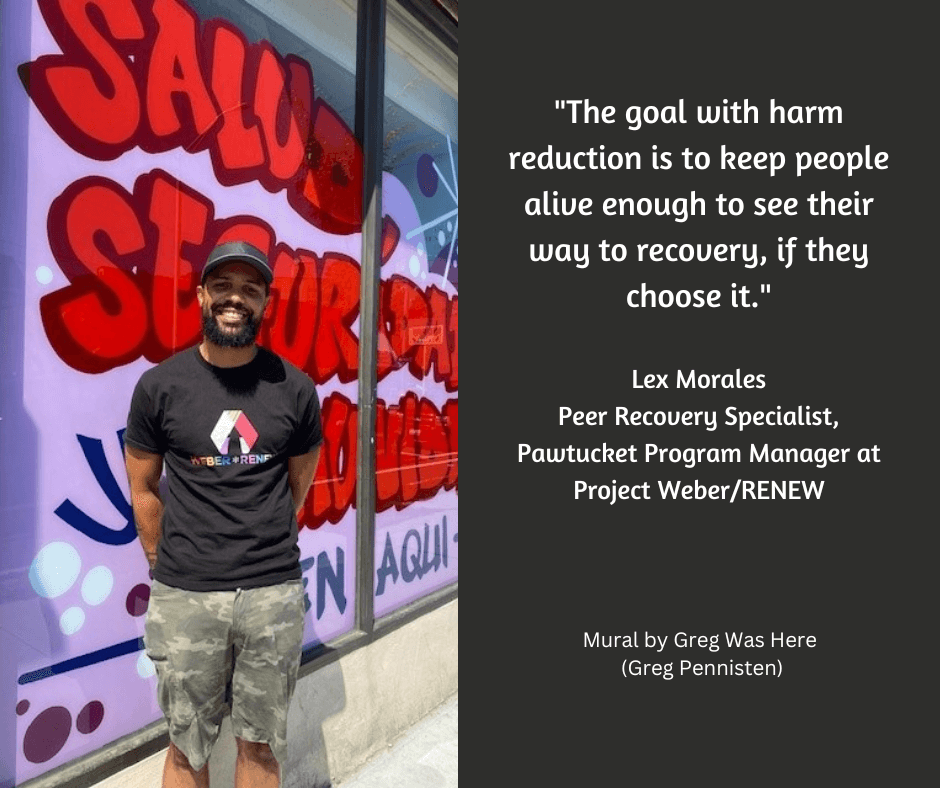
Some people believe the only “safe” way is to stop using completely, but for many, quitting is a process with ups and downs. Lowering the risk of overdose, also called harm reduction, means taking steps to reduce the chances of overdose, accidents, or health problems, even if someone isn’t ready or able to stop right now. These steps can include using new supplies, not using alone, testing drugs, and having naloxone nearby.
Harm reduction is not about “giving up” or saying that recovery isn’t possible. In fact, taking steps to lower the risk of overdose can help someone stay connected until they’re ready to make a change. Harm reduction can be part of their recovery journey alongside treatment and medications. Recovery doesn’t look the same for everyone, and some people use medications like buprenorphine (SuboxoneⓇ) or methadone or practice harm reduction strategies as part of living a better, healthier life.
If your loved one or friend is using drugs, learn the ways they can lower their risk of overdose and talk with them about taking these steps.
Support yourself and get connected with others
Part of supporting your loved one or friend is supporting yourself. This means getting connected with others who might be going through something similar and learning about ways to reduce stigma. In Rhode Island, there are evidence-informed groups facilitated by trained and qualified professionals.
Get connected with local support groups
The Family Work Group is made up of active and informed family members of youth, young adults, and adults who have or have had an opioid and/or a substance use disorder and are now raising public awareness, educating, and advocating for policy reform.
REST (Resources, Education, Support, Together) educational groups are meetings for those supporting loved ones with addiction. These groups use a CRAFT (Community Reinforcement and Family Training) based approach to developing individual skills in communication, setting healthy boundaries, and using positive reinforcement around their loved ones impacted by substance use. All are welcome to join these groups, whether their loved one is at risk, actively using, or in recovery/treatment. Visit the REST page to learn more about the groups and when meetings take place.
Ways to reduce stigma
Stigma means treating people badly or judging them because they use drugs or other substances. Stigma is spread through words or actions and can often make someone feel alone, scared, or ashamed.
Learn more about stigma, including ways to talk about substance use disorders and drug use. You can also use the Addictionary to learn more about words and phrases that are used, as well as understand how they might be damaging. This way, you can offer better support and help your loved one or friend feel safe and understood.
Coping with grief
Blue Skies is a nonprofit initiative partnering with the East Bay Recovery Center. Blue Skies exists for families and friends with anxious loved ones and for those suffering from loss. View their calendar to learn more about weekly meetings.
The Sun Will Rise Foundation holds in-person and virtual grief groups each month. Specialty groups include men, moms and parents, grandparents, partners/spouses, siblings, multiple losses, newly bereaved, LGBTQ+ community, people in recovery, faith-based support, young adults (age 18 to 35), and substance use-related suicide loss. View their calendar to learn more.
The Herren Project is a Rhode Island-based organization that hosts online Grief Support Groups for people who are grieving a loved one lost to overdose death or drug and alcohol-related death. Groups are led by licensed clinicians or social workers who specialize in grief counseling. Visit their page to learn more about the group and to register for a session.
Friends Way is a children’s only bereavement center, providing free support to families in Rhode Island. Friend’s Way hosts a biweekly Specialized Bereavement Group for Children and Teens Affected by Suicide or Addiction. This group provides a safe place for children, teens, and young adults to talk about their grief with others with similar experiences. Visit their page to learn more about the group and for contact information.
Build the Banner of Love is a program dedicated to reaching families who are grieving someone lost to a drug-related death in Rhode Island. They host three grief support groups, including a siblings group, a parent group, and a child-survivor group. Visit their page to learn more about each group and when they meet.
What’s Your Grief is a place for sharing, support, and resources, and includes articles, blogs, and podcasts. Learn more about resources available on this website.
The Rhode Island Department of Health has a list of bereavement, peer support, and counseling services available in Rhode Island.
Learn about treatment and recovery resources
Everyone faces challenges in life, and sometimes people use drugs to cope or feel better. Over time, this can lead to behaviors that are hard to change, even when they want to. Treatment and recovery from using drugs look different for everyone. This section shares information about help available in Rhode Island, including treatment and recovery support programs.
Medications for Opioid Use Disorder (MOUD)
Opioid use disorder is a treatable chronic medical condition. It can be treated just like other diseases, such as diabetes or high blood pressure. There are treatment options in Rhode Island for opioid use disorder, like medications and behavioral therapy. Medications like methadone, buprenorphine, and naltrexone can be used to treat opioid use disorder. People can safely take these medications for months to years.
Because different medications for opioid use disorder can work slightly differently in the brain and body, advise your loved one or friend to discuss with their healthcare provider which medication is right for them. If the person wants to stop or change their medication, they should first talk with their healthcare provider.
Treatment options in Rhode Island
Rhode Island offers many treatment options – and there’s no one “right” path to follow. What’s important is that your loved one or friend is getting the care and support that they are ready for. Whether that person is new to treatment or returning to it, there are resources available to them throughout the state.
You can also download a guide of statewide treatment and recovery resources compiled by the Rhode Island Department of Health.
Recovery resources in Rhode Island
Recovery can mean different things for different people and families. For some, recovery may mean stopping the use of all drugs or alcohol. For others, it can mean taking steps to improve health, build stronger relationships, and find hope for the future. The Substance Abuse and Mental Health Services Administration (SAMHSA) describes recovery as “a process of change through which individuals improve their health and wellness, live a self-directed life, and strive to reach their full potential.”
As a parent, partner, friend, sibling, grandparent, caregiver, or ally, your support can make a real difference in your loved one’s recovery journey. Rhode Island offers many resources and certified peer recovery specialists who are ready to help you, your loved one, or friend find guidance, encouragement, and connection. You don’t have to face this alone. Help is here for both your loved one or friend and the people who care about them.
Resources tailored to specific populations:
LGBTQIA+ populations
Anchor Recovery LGBTQIA+ Meetings
Anchor Recovery hosts weekly meetings that provide a safe place to focus on the unique needs of the LGBTQIA+ community. Learn more about when groups are held.
Older Adults
Age-Friendly Rhode Island
A statewide coalition connecting older adults, caregivers, and communities to resources, education, and engagement opportunities that support healthy aging and social connection.
Newport Mental Health – Complex Care for Older Adults
A team-based outpatient program for adults 55 and older with serious mental illness and/or co-occurring disorders that integrates behavioral health and medical care.
Brown University Health Geriatric Psychiatry
Behavioral health support specifically for older adults, including services addressing depression, social isolation, and integration with Medicare/Medicaid navigation
PACE-RI Comprehensive Behavioral Health Services
Outpatient and inpatient, psychiatric care, memory disorder evaluation, psychopharmacology, grief counseling, and consultation, all tailored to older adults.
Pregnant and postpartum women
At least five percent of the approximately 10,000 babies born in Rhode Island each year are prenatally exposed to substances like alcohol, cannabis, nicotine, stimulants, and/or opioids. There are local resources to ease any potential short- and long-term biopsychosocial effects for these children by linking pregnant people to supports like free perinatal peer support services, Family Visiting, and treatment options like medications for opioid use disorder.
Youth and teens
Whether you think your youth or teen has started using substances, or is being affected by a loved one or friend using substances, there are resources to give them the support they may need. It is important to connect youth and teens with treatment and recovery resources that are designed for their own age group.
The Providence Center
This program is designed for youths and teens age 12 to 17. These programs provide services for teens to develop coping skills, manage their emotions and behaviors, and improve communication skills. You can learn about these programs on The Providence Centers page.
The Seven Challenges
This is a non-traditional counseling program designed to meet adults and adolescents where they are. This program provides insight into how to navigate your teen’s drug use and behaviors. Visit their page to learn more about the program and to access materials.
More Resources
Local Events
Find events happening around Rhode Island to get connected with others.
Social Media Toolkit
Use our graphics to share critical information about substance use and to help save lives.
Get Rid of Medications
If you have any unused prescriptions around the house, it’s important to get rid of them safely.
Prevent Youth Poisonings
No matter what drugs are in your house, lock them up, store them out of reach, and keep kids safer.