
Tokyo Metro Ginza Line: Explore from Shibuya to Asakusa
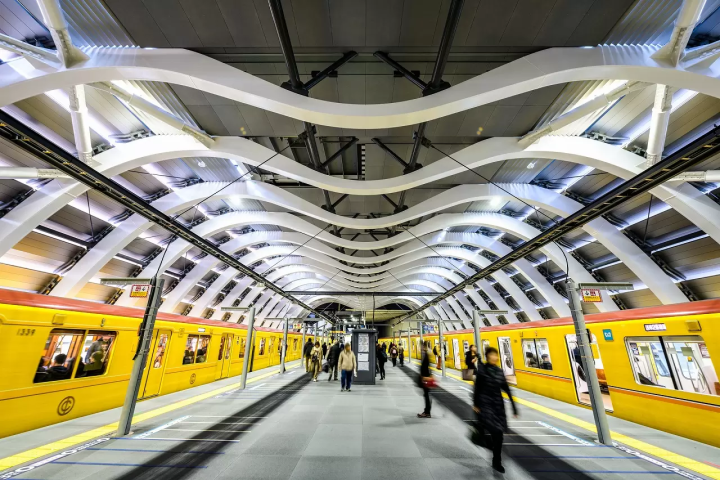
Discover the best of Tokyo via the Ginza Line! Connecting Shibuya to Asakusa, this landmark route stops at Ueno, Ginza, and Omotesando. Learn about must-see sightseeing spots and hidden gems along Japan’s oldest subway line.

Written by
Born in Taipei, Taiwan. I worked in the inbound tourism industry in Kyoto, writing a blog about travel in Japan. I joined MATCHA in October 2019.
Hobbies: travel, watching trains, visiting stylish cafes, sweets, collecting seal stamps, watching musicals, taking photos, and others - so many, in fact, that I find it weird myself.
more
This service includes sponsored advertisements.
Shibuya to Asakusa Made Simple: The Tokyo Metro Ginza Line
The Tokyo Metro Ginza Line connects two of Tokyo’s premier sightseeing hubs: Shibuya and Asakusa.
Taking its name from the world-famous Ginza commercial district, the line is easily identified by its signature orange color and the letter "G."
Please note that the JR Pass cannot be used on the Ginza Line. While JR lines are covered by your pass, the Ginza Line is part of the Tokyo Metro network. For seamless travel, we recommend using an IC card (Suica/Pasmo) or the Tokyo Subway Ticket instead.
-
Table of Contents
- Tokyo Metro's Ginza Line: An Overview
- Ginza Line Station Guide: Major Stops and Attractions
- Explore Tokyo Along the Ginza Line
Tokyo Metro's Ginza Line: An Overview
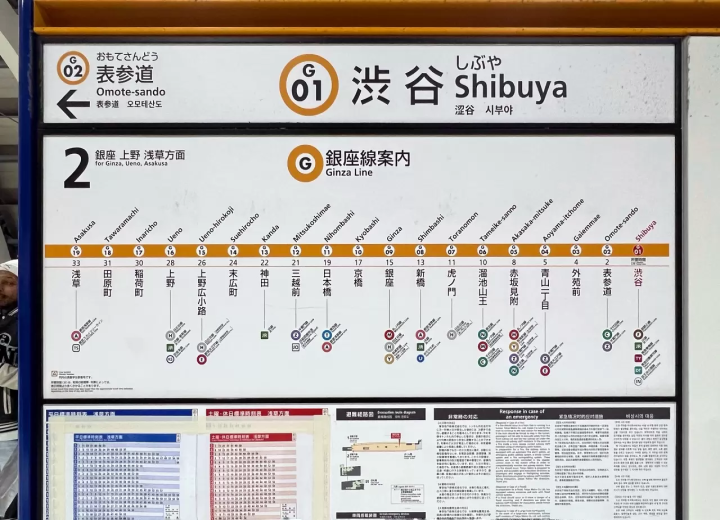
Photo by AC
Spanning 14.2 km and serving 19 stations, the Ginza Line boasts several unique characteristics that distinguish it from the rest of the city's rail network. Read on for an in-depth look at what makes this line special.
1. Asia's First Subway Line
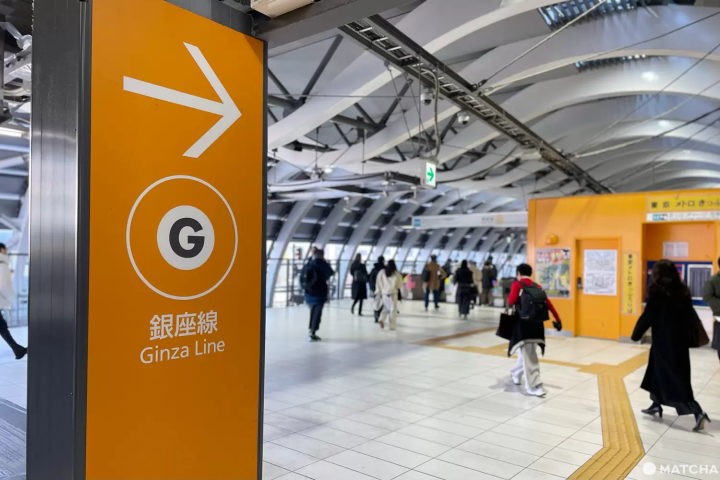
Tokyo Metro’s Ginza Line opened in 1927 as Japan's first subway line. It was also the first subway line in Asia.
2. The Stations Are Shallow
Due to the limitations of early excavation technology, the Ginza Line was constructed using the 'cut-and-cover' method. By digging directly from the surface, engineers kept the stations remarkably shallow.
This is especially noticeable near Asakusa, at stations like Tawaramachi and Inaricho, where the platforms appear almost immediately after you enter.
At Ueno Station, the exposed steel beams supporting the structure serve as a visible reminder of the line’s nearly century-long history.
3. Easy to Navigate Because It Has No Through-Service
While many of Tokyo’s subway lines are famous for complex 'through-services'—such as the Hanzomon Line’s seamless connection to the Tokyu and Tobu networks—the Ginza Line operates independently.
Because it utilizes a third-rail power supply and a different track gauge, it cannot physically connect with other lines.
For passengers, this means a much more straightforward experience: there are no confusing destination changes, making it one of the easiest lines in the city to navigate.
Characteristic 4: Special edition trains
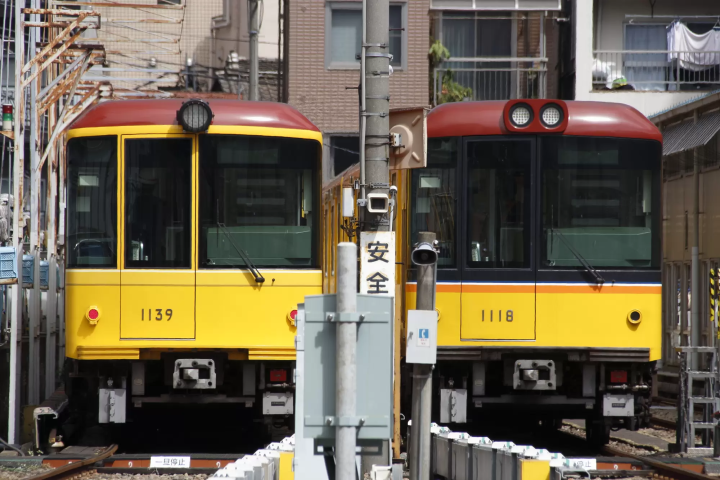
Old meets new: The left train is the 90th-anniversary special edition with its retro single headlight; the right train is the standard Ginza Line model. Photo by PIXTA
The Ginza Line operates the modern 1000 series trains, but keep an eye out for two 'special-spec' trains.
Commissioned for the subway’s 90th anniversary, these rare sets feature a beautiful retro design. The interiors are finished in a warm wood-tone reminiscent of the 1927 originals, the exterior headlights were changed to a single-lamp style, and soft 'antique' lamps glow on the interior walls.
Even as a long-time Tokyo resident, I’ve only managed to catch one three times—if you see one pull into the station, consider yourself incredibly lucky!
Ginza Line Station Guide: Major Stops and Attractions
There are many attractions on the Ginza Line, and many are classic must-visit spots for first-time visitors to Tokyo.
Shibuya Station (G-01)

Photo by PIXTA
Shibuya is a quintessential stop for any first-time visitor, anchored by the world-famous Shibuya Scramble Crossing. This iconic intersection pulses with energy at all hours of the day.
For those arriving on the Ginza Line, the experience is uniquely convenient: the station is integrated directly into Shibuya Scramble Square, home to the SHIBUYA SKY observation deck.
Compared to other subway lines that are buried deep underground, the Ginza Line’s elevated platforms offer the most direct access to the area's newest landmarks.
With massive urban redevelopment ongoing, the district's skyline changes with every visit, promising an even more vibrant atmosphere in the years to come.
Read also


Akasaka-mitsuke Station (G-05)
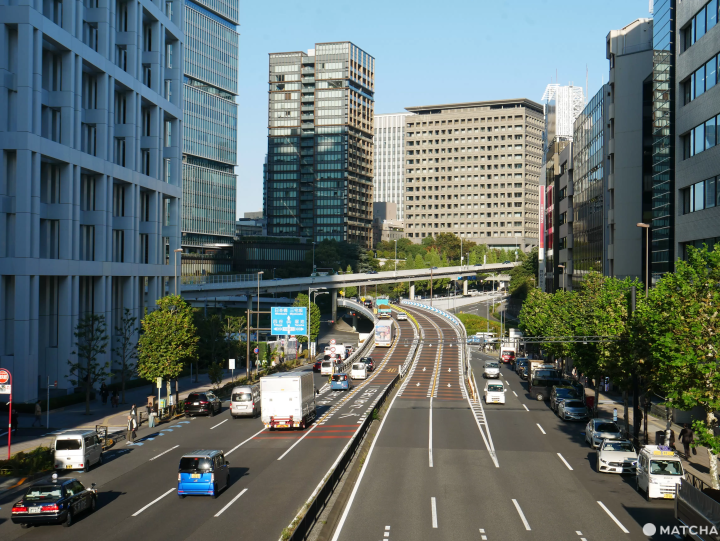
Akasaka-mitsuke Station serves as the gateway to Tokyo’s vibrant Akasaka district.
With a BicCamera located right outside the exit and a bustling shopping street nearby, the area offers exceptional convenience.
Akasaka is a unique blend of corporate offices, high-end residential neighborhoods, and diverse dining options.
For travelers staying here, the 'living convenience' is top-tier; you’ll find everything from traditional Japanese cuisine and cozy izakayas to coffee shops and quick bites, ensuring you never have to worry about finding a great meal.
Read also
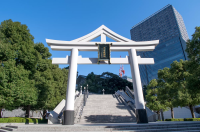

Toranomon Station (G-07)
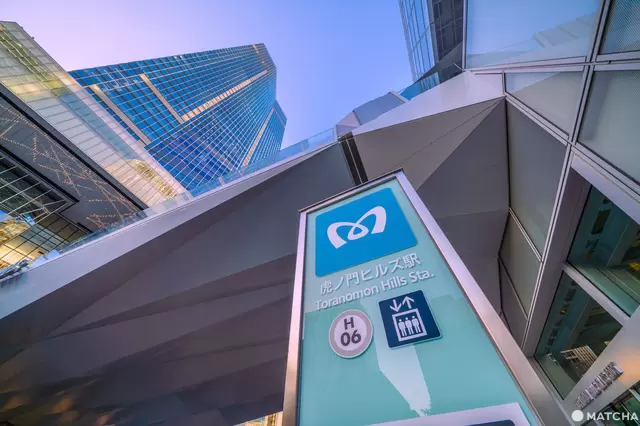
Once a quiet business district, Toranomon has been completely reimagined. Following the completion of Toranomon Hills Mori Tower in 2014, a flurry of redevelopment projects has transformed the area.
With new residential buildings and a sleek, modernized station complex, Toranomon now stands as one of Tokyo’s most dynamic and architecturally impressive neighborhoods.
Shimbashi Station (G-08)
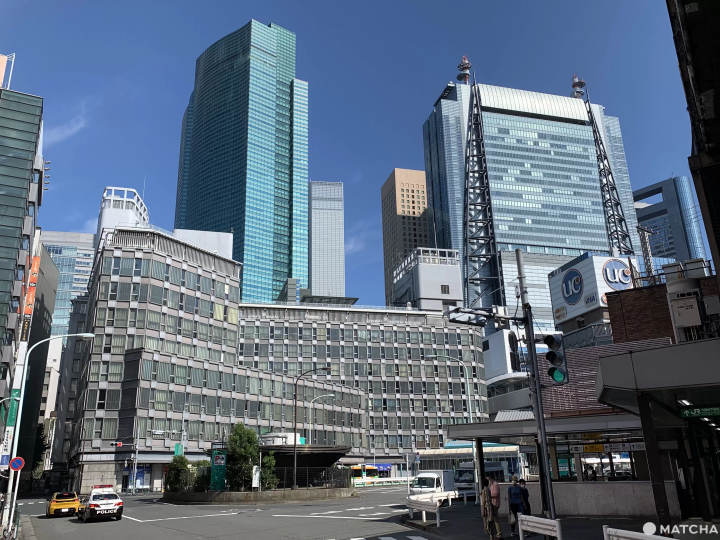
Shimbashi Station is the heart of Tokyo’s iconic 'salaryman district.' Bordering major business hubs like Toranomon, Ginza, and Shiodome, it serves as a central meeting point for the city's workforce.
Beyond the office towers, the world-famous Tsukiji Outer Market is within easy walking distance.
As a vital transit hub, Shimbashi offers seamless transfers to the JR Yamanote and Sobu lines, and serves as the gateway to the Yurikamome line heading toward the futuristic island of Odaiba.
Ginza Station (G-09)
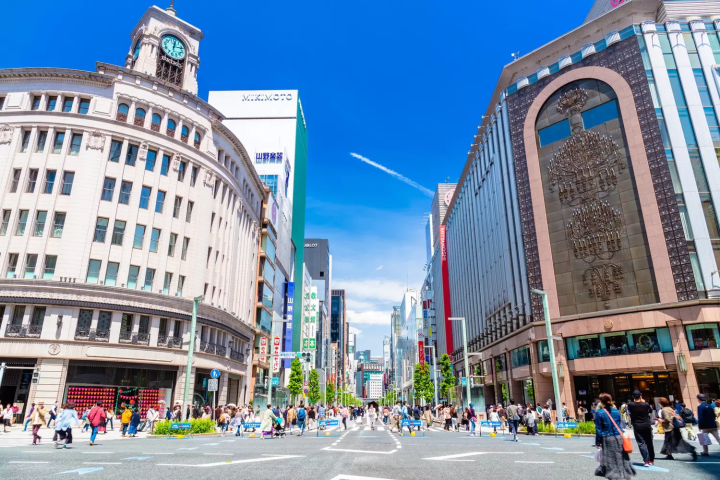
Photo by PIXTA
Ginza stands as one of Tokyo’s most storied commercial districts, where global luxury flagships and century-old department stores define a culture of 'elegant luxury.'
The neighborhood truly shines on weekends and holidays during the 'Pedestrian Paradise' (Hokousha Tengoku). During these times, the main thoroughfare, Chuo-dori, is closed to vehicle traffic, allowing visitors to stroll freely down the center of the street.
Ginza is widely considered Tokyo’s most sophisticated shopping experience, offering a rare sense of space and tranquility in the heart of the city.

Ueno Station (G-16)
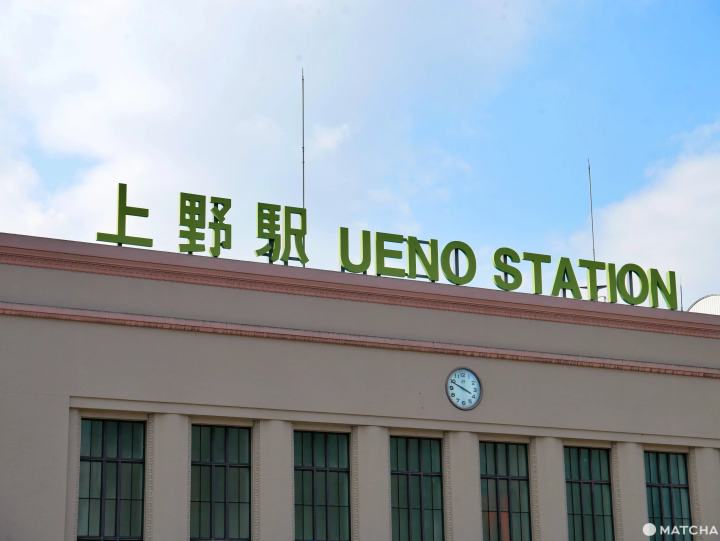
For many, Ueno is the true 'Gateway to Tokyo.' Not only is it the terminus for the Keisei Skyliner from Narita Airport, but it also serves as a major Shinkansen hub for those heading to northern Japan.
Because you can easily hop on the Yamanote Line or shop at local favorites like Ameya-Yokocho and the iconic purple Takeya building, Ueno is one of the most practical and popular neighborhoods to stay in.
Whether you're hunting for street food or high-end fashion at Marui, everything is just steps from the station.
Read also

Inaricho Station (G-17)
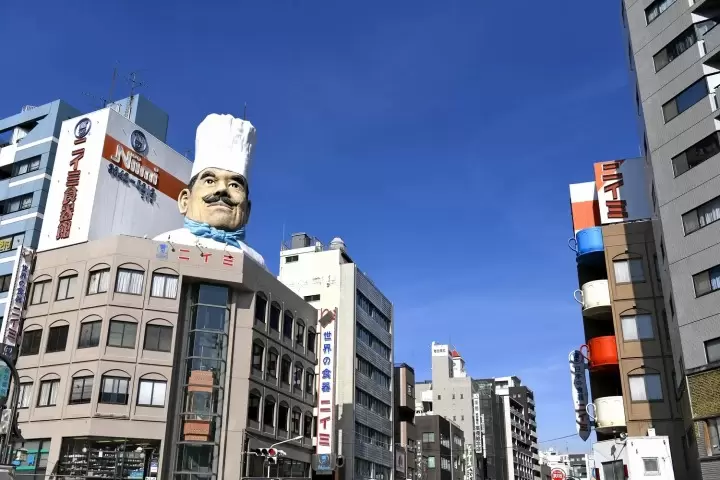
Photo by PIXTA
While Inaricho Station might not be a household name, its neighbor—Kappabashi Kitchenware Street—certainly is.
Nestled near the Asakusa area, Kappabashi is a paradise for foodies and professional chefs alike. In recent years, it has become a top destination for travelers seeking authentic Japanese kitchenware.
From exquisite handmade ceramics to professional-grade knives, you can find items here that are truly unique to Japan. If you're lucky, you’ll stumble upon a clearance sale where beautifully crafted cookware is sold at bargain prices.
For kitchenware fans, a trip to Kappabashi is essential—you won’t leave empty-handed!

Asakusa Station (G-19)
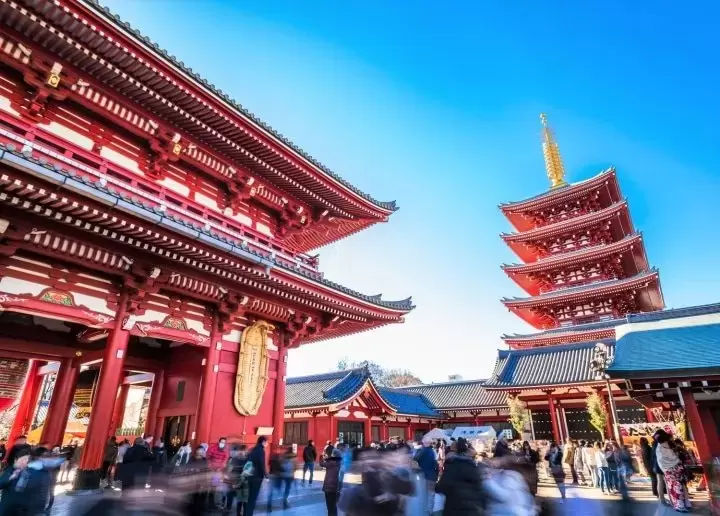
Photo by PIXTA
Step off the Ginza Line and into the heart of old Tokyo at Asakusa. Home to Sensoji Temple and the charming streets of the traditional district, this area is a must-see for its spirited atmosphere and rickshaw-lined streets.
A pro tip for arrival: listen closely to the station announcements! The Ginza Line terminal has a split layout—Platform 1 is best for transferring to the Toei Asakusa Line, while Platform 2 leads you straight toward the Ekimise department store and Sumida Park.
Read also


Explore Tokyo Along the Ginza Line
For your first trip to Tokyo, there is no better way to see the city’s most famous sights than by riding the Ginza Line.
We highly recommend choosing a hotel along this route; not only will it simplify your journey to and from the airport, but it will also make navigating the city’s landmarks effortless.
By making an area along the Ginza Line your home base, you can ensure your first Tokyo experience is as relaxed and enjoyable as possible.
Main image by Pixta
Born in Taipei, Taiwan. I worked in the inbound tourism industry in Kyoto, writing a blog about travel in Japan. I joined MATCHA in October 2019.
Hobbies: travel, watching trains, visiting stylish cafes, sweets, collecting seal stamps, watching musicals, taking photos, and others - so many, in fact, that I find it weird myself.
more



Special Features
More








![[Wakayama Guide] Ume and Umeshu (Plum and Plum Wine)](https://resources.matcha-jp.com/resize/720x2000/2025/12/08-252248.webp)
![[2025 Update] From Kansai Airport to Namba - Recommended for travelers with large luggage! Travel comfortably by bus](https://resources.matcha-jp.com/resize/720x2000/2025/10/25-248088.webp)