Eleven life science innovation projects receive grants from Knut and Alice Wallenberg Foundation and SciLifeLab's Proof-of-Concept program
A new national arena for forest research and data analysis in Sweden

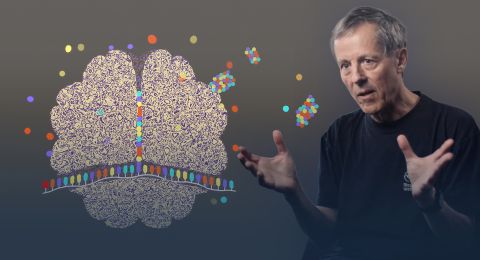
Understanding flowing, soft particles – a step toward artificial blood
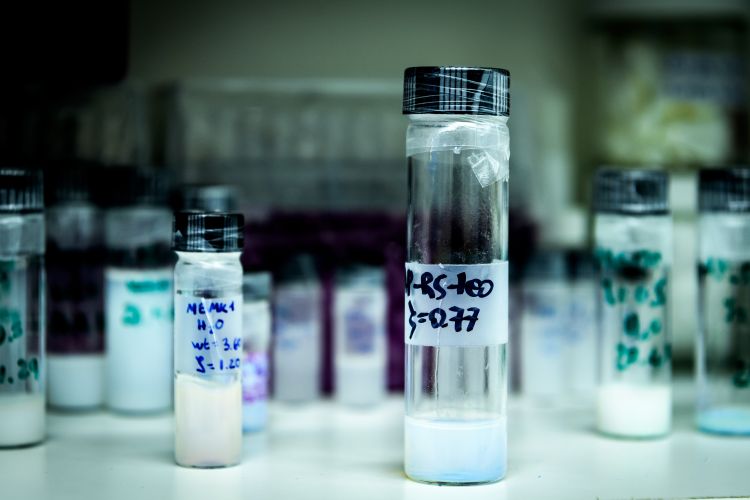
The flow of complex fluids is impacted by velocity, pressure, and the softness of its particles. The last-mentioned factor is the one that has been least explored. Andrea Scotti wants to understand the effect of softness on the particle flow in both synthetic and natural complex fluids. This knowledge might pave the way for creating a synthetic form of blood.
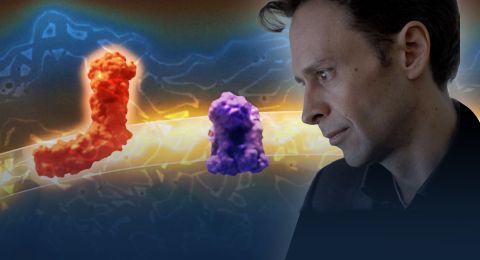
Building native-like models of transport proteins
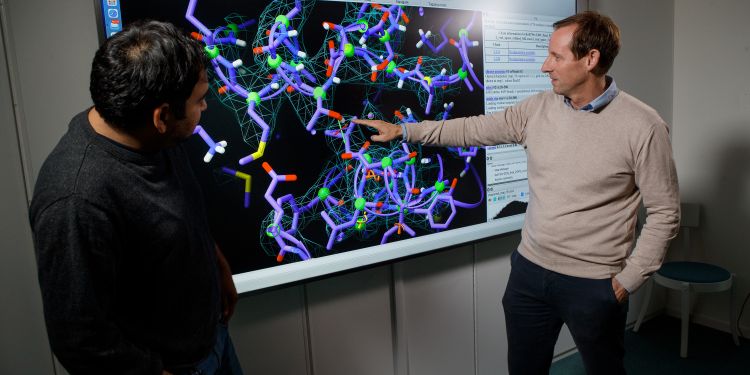
Wallenberg Scholar David Drew is developing new ways to study how the body's cells regulate pH level, salt content and volume using transport proteins in the cell's membrane.
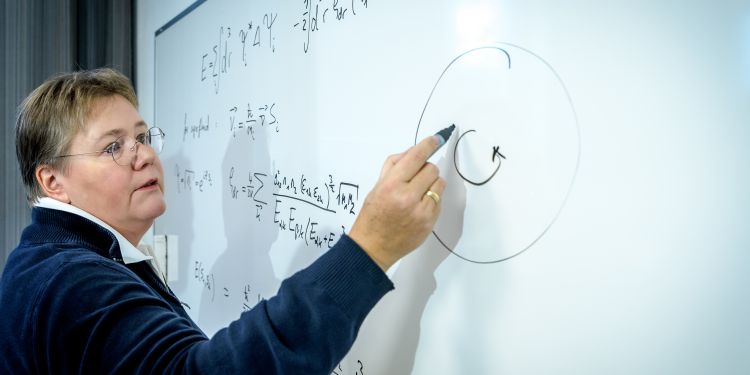
Exploring the theory behind new quantum phenomena
Wallenberg Scholar Stephanie Reimann is exploring how modern quantum optics technology can place atoms in states where they possess new physical properties.
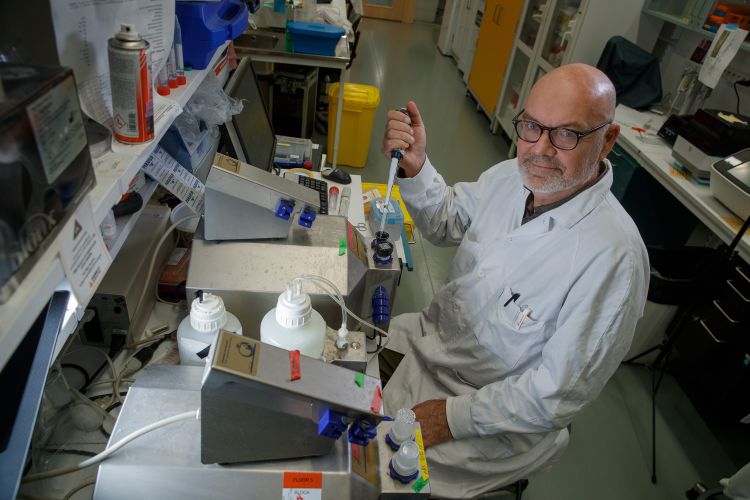
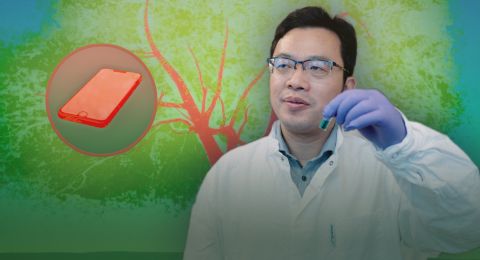
New signaling substance with potential major heart benefits
What role does the signaling substance NO‑ferroheme play in the process whereby our vessels dilate and blood pressure falls? This is one of the questions that Jon Lundberg and his research colleagues at Karolinska Institutet are addressing. Their goal is to contribute to improved treatments for cardiovascular disease.