


More From Research
Nikita MohtaMay 1, 2026
The Rekhta Foundation began as a digital archive. It has now evolved into a larger ecosystem, using technology and programming to expand access to Urdu and other Indic languages
Nikita MohtaApr 29, 2026
Had the French monarchy’s diplomatic and military strategy prevailed in the Pennsylvania backcountry, the map and even the linguistic landscape of the modern US might have looked very different.

Nikita MohtaApr 25, 2026
‘Maachey, bhaatey Bangali’: A timeless rendezvous between the Bengali and their beloved fish Subscriber Only
Folklore, folk songs, and historical sources highlight the enduring reverence for fish in Bengal. It also features in rituals associated with birth, marriage, and death. Today, it has acquired political significance, emerging as a symbol
Nikita MohtaApr 22, 2026
More than a meal: In ‘First Bite’, Priyadarshini Chatterjee uses breakfast as a lens on society and livelihoods Subscriber Only
Drawing on ancient texts, regional literature, fieldwork, and interviews, Priyadarshini Chatterjee’s 'First Bite' maps the distinct breakfast traditions of ten Indian cities.

Nikita MohtaApr 16, 2026
Persian once functioned as the dominant language of public administration, revenue accounting, and courtly communication in Bengal

Nikita MohtaApr 9, 2026
Indian merchants and the rise of Hormuz in global trade Subscriber Only
Indian traders stood at the heart of a global maritime story, with the Strait of Hormuz gaining prominence from the 13th century until it became a crucial strategic centre under the Safavids.
Arup K ChatterjeeApr 6, 2026
The politics behind Dhurandhar’s addictive 90s soundtrack Subscriber Only
Aditya Dhar’s Dhurandhar films, supported by Shashwat Sachdev’s soundtracks, try to resurrect the sounds of 1990s Bombay to awaken a deeply conditioned collective memory.

Rohan BasuApr 2, 2026
The European Jesuits who championed Vedanta: Challenging the ‘outsider’ myth of Indian Christianity Subscriber Only
A group of highly educated Jesuits once championed Indian languages, classical texts, and philosophical traditions, asserting that one could be a culturally rooted Indian nationalist while remaining within the Catholic faith.

Statute and society: What Maharashtra’s 80 repealed laws say about who we were under our colonial masters Subscriber Only
Maharashtra has repealed 80 obsolete Acts and buried in them is a history of opium dens, flogging courts, leprosy asylums and wartime grain control
Nikita MohtaMar 31, 2026
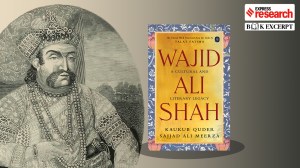
Rethinking Wajid Ali Shah, more than a ‘debauched king’ Subscriber Only
Drawing from rare documents, Wajid Ali Shah: A Cultural and Literary Legacy reconstructs the life of Wajid Ali Shah, who was not only a patron of music and the arts but also a poet, dramatist,
Nikita MohtaMar 26, 2026
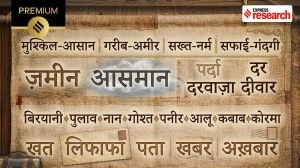
From ‘kagaz’ to ‘naan’: How Persian became the ‘English of the era’ and wove itself into India’s cultural DNA Subscriber Only
Persian has deeply influenced India’s language and literature for centuries, and everyday speech, shaping administration, poetry, and vocabulary in Hindi, Urdu, and regional cultures.
Mar 23, 2026
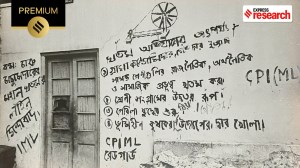
With the 2026 West Bengal Assembly election underway, campaigns spill across walls, WhatsApp, and social media. From painted slogans to viral memes, Bengal’s politics has simply changed its canvas, not its creativity or bite.
G N DevyMar 21, 2026
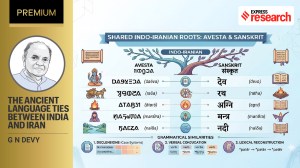
The Indo‑Iranian connection did not end with the Indus Valley civilisation; it carried forward through language, philosophy, and poetry.
Nikita MohtaMar 19, 2026
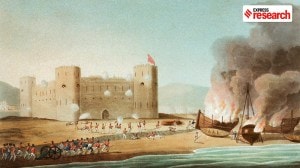
How World War 1 redrew Persian Gulf’s map and why Trump’s South Pars threat echoes a century of conflict Subscriber Only
For over 5,000 years, the Persian Gulf has been a hub of civilisation. From Elam and Sumer to the Assyrians and Babylonians, ancient societies thrived along its shores, trading and connecting with coastal communities.
Adrija RoychowdhuryMar 18, 2026
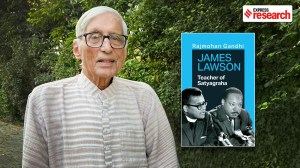
‘He was passionately committed to nonviolence’: Rajmohan Gandhi on James Lawson, who brought Satyagraha to the US civil rights movement Subscriber Only
In ‘James Lawson: The teacher of Satyagraha’, author Rajmohan Gandhi throws light on a key figure in the American civil rights movement and his reverence towards Mahatma Gandhi.
Adrija RoychowdhuryMar 13, 2026
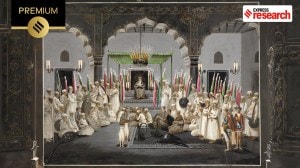
Although a minority, Indian Shias maintained cultural influence through connections with ruling dynasties, balancing local customs with ties to broader Shia networks in Iraq and Iran. They saw a significant shift in identity following the
Nikita MohtaMar 12, 2026
Founded in 1960, the Deutsche Schule Bombay was the realisation of a long-cherished dream of the German diaspora in the city.

Aishwarya KhoslaMar 11, 2026
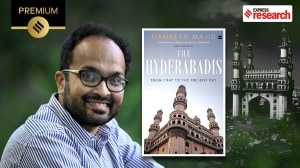
The author of The Hyderabadis on the Shia roots of the Old City, the slow collapse of the Gulf dream, and whether a composite culture can survive the pressures closing in on it.
Arup K ChatterjeeMar 9, 2026
Trade, language, and shared identities: How an ancient world linked India and Iran thousands of years ago Subscriber Only
Today, India, despite global scrutiny, has maintained a principled partnership with Iran, balancing its energy and strategic interests with Western diplomacy.

Nikita MohtaMar 6, 2026
In September 1914, Captain Karl von Müller, who was in charge of ‘SMS Emden’, ordered an attack on several large oil tanks in Madras—a bombardment that was a severe blow to British morale.

Nikita MohtaMar 5, 2026
In 1501, Shah Isma'il the Safavid, from the Central Asian Safavid tribes, established the first Shi'i state in Iran, marking a turning point in the country's history.
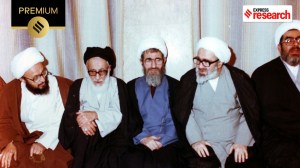
Adrija RoychowdhuryMar 1, 2026
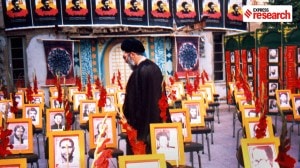
What ‘martyrdom’ means in Iran: From Karbala to Khamenei Subscriber Only
Rooted in Shiism, the official religion of the Islamic Republic, martyrdom is not merely a theological concept but a powerful strand in the country’s collective memory and political imagination.
Nikita MohtaFeb 27, 2026
The forgotten story of Yankee merchants: America’s first trade connection with India Subscriber Only
US trade with India began immediately after America’s independence from Britain in 1783, when American shipowners could trade directly with the East.

Adrija RoychowdhuryFeb 24, 2026
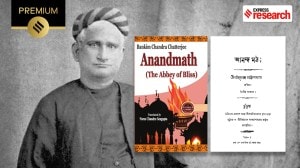
The political debate around Vande Mataram cannot be understood without revisiting Anandamath, the 1882 novel by Bankim Chandra Chattopadhyay that embedded the song within a larger nationalist narrative set during the 18th-century Sanyasi Rebellion.
Feb 19, 2026
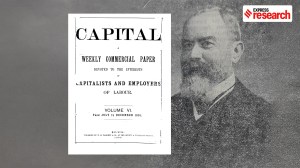
Meet ‘Capital’, the forgotten Kolkata newspaper that invented business journalism in India Subscriber Only
From 1888 to 1979, ‘Capital’ reported on trade, production, taxation, infrastructure, labour relations, and politics with balanced authority and clarity.

Advertisement