AI can generate a thousand articles a minute. But it can't do your thinking for you. Hashnode is a community of builders, engineers, and tech leaders who blog to sharpen their ideas, share what they've learned, and grow alongside people who care about the craft.
Your blog is your reputation — start building it.
5h ago · 6 min read · How We Built a No-Code Landing Page Editor That Ships Static Pages in Minutes We got tired of changing hex codes for a living. So we automated ourselves out of the job. The Old Way (Pain) Every "smal
Join discussion
1h ago · 4 min read · Connecting a React frontend with an Express backend is not complicated—it’s about following a few solid practices: Keep API routes structured (/api/...) Expect CORS issues in development Use Vite p
Join discussion
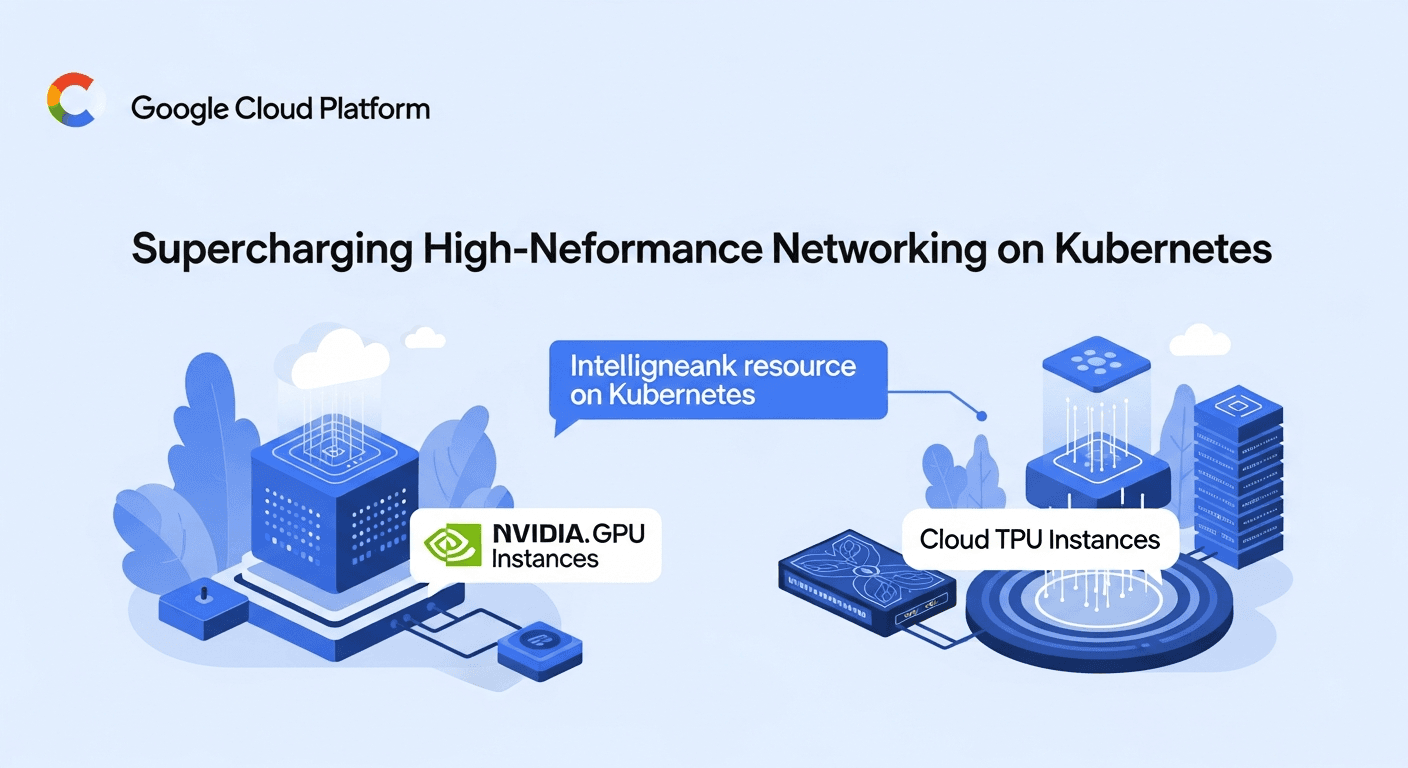
10h ago · 3 min read · If you've ever tried to run some serious AI or machine learning workloads on Kubernetes, you know networking can be a real pain point. Moving massive datasets around, especially when you're dealing wi
Join discussion
8h ago · 14 min read · Photo: Vincent Tjeng Jeff Dean presented the Pathways vision back in 2021: train a single large model that can do millions of things. At the time, ChatGPT didn't exist yet, and this idea felt genuinel
Join discussion
34m ago · 13 min read · The AI Security Inflection Point: How Enterprises Must Defend Against 2026's Most Dangerous Threat Landscape The threat intelligence community has a phrase for what's happening right now: the "AI-fication of cyberthreats." It refers not just to attac...
Join discussionMost are still shipping “AI add-ons.” The real shift happens when the whole workflow disappears into one action — that’s when users actually feel the value.
You’re definitely not alone that “Step 5 bottleneck” is where most AI-assisted teams hit reality. Right now, most teams aren’t fully automating reviews yet. The common pattern I’m seeing is a hybrid approach, not purely human or purely automated. What others are doing AI generates code → Automated checks (linting, tests, security, architecture rules) → Targeted human review (not full manual review) 👉 The key shift: humans review intent + architecture, not every line.
Quick breakdown of why Hawkes matters here: A standard Poisson process (used in classic Merton) has no memory. The probability of the next jump is the same whether a jump just happened or not. A Hawkes process is self-exciting — each arriving event temporarily raises the rate of future events. The excitation decays exponentially: λ(t) = λ₀ + α · Σ exp(−β · (t − tᵢ)) The key constraint: α/β < 1 keeps the process stationary. Push past that and intensity explodes. In practice, this means a single bad print can cascade — and the simulation captures exactly that.
Went through this exact same process not too long ago. Honestly, the thing that actually moved the needle for me was an article that completely changed how I was framing the decision. Turns out clutch ratings and hourly rates are pretty much noise in fintech. The stuff that actually matters is whether a team is genuinely compliance-ready versus just knowing the buzzwords, and whether they have the judgment to build custom versus just wiring in Stripe or Plaid where it makes sense. The client retention angle was the one I hadn't thought about at all — if a fintech dev shop is holding 85-90%+ of their clients year over year, it means their stuff is actually running in production and not falling apart six months later. That's a lot harder to fake than a polished case study. The article also does honest breakdowns of around 10 companies and gets pretty specific about who each one is actually a good fit for, which saved me a ton of back-and-forth. Dropped the link below if anyone wants it: https://interexy.com/top-fintech-app-development-companies
Solid advice. One thing that helped me level up with API docs: don't just read them — test them immediately. Open a terminal, make the curl request, and see what the actual response looks like. The docs tell you the schema; the real response tells you the edge cases. Also, AI tools have completely changed how I approach unfamiliar APIs. I'll paste the docs into Claude Code and say "write me integration tests for these 3 endpoints." The tests become my living documentation — they show me exactly how the API behaves, including error cases the docs don't mention. The meta-skill isn't reading docs faster. It's building a feedback loop where you read → test → verify → repeat until the API clicks.
API docs get attention. The frontend/API contract usually doesn't. TypeScript helps, but types lie without runtime validation. The API returns an unexpected null, a renamed field, an edge case you never tested and your types had no idea. Zod fixes this. Parse at the boundary. If the API changes shape, you catch it at the schema. Not in a Sentry alert a week later. We do this with Next.js Server Actions too. The server/client boundary is the natural place to validate. Keep the schema next to the call. Documentation problem and type-safety problem are usually the same problem.
For the last year, a lot of companies rushed to add AI features. A chatbot here. A summary tool there. Maybe a little automation layered on top. But that phase is getting old fast. What’s trending now
Most companies haven't answered a basic question yet: who is accountable when an AI agent takes an action? Until that's resolved, they'll ke...
Most companies are still in the “AI-flavored features” stage rather than building truly AI-native products. Adding chatbots or automation la...