| id | loops | ||
|---|---|---|---|
| title | Python Loops | ||
| sidebar_label | Loops in python | ||
| sidebar_position | 7 | ||
| tags |
|
Python has two primitive loop commands:
- while loops
- for loops
With the while loop, we can execute a set of statements as long as a condition is true.
i = 1
while i < 6:
  print(i)
  i += 1
The while loop requires relevant variables to be ready, in this example we need to define an indexing variable, i, which we set to 1.
With the break statement, we can stop the loop even if the while condition is true.
i = 1
while i < 6:
  print(i)
  if i == 3:
    break
i += 1With the continue statement, we can stop the current iteration and continue with the next.
i = 0
while i < 6:
  i += 1
  if i == 3:
    continue
print(i)With the else statement, we can run a block of code once when the condition no longer is true.
i = 1
while i < 6:
  print(i)
  i += 1
else:
print("i is no longer less than 6")A for loop is used for iterating over a sequence (that is either a list, a tuple, a dictionary, a set, or a string).
fruits = ["apple", "banana", "cherry"]
for x in fruits:
  print(x)
The for loop does not require an indexing variable to be set beforehand.
Even strings are iterable objects; they contain a sequence of characters.
for x in "banana":
print(x)With the break statement, we can stop the loop before it has looped through all the items.
fruits = ["apple", "banana", "cherry"]
for x in fruits:
  print(x)
  if x == "banana":
breakWith the continue statement, we can stop the current iteration of the loop and continue with the next.
fruits = ["apple", "banana", "cherry"]
for x in fruits:
  if x == "banana":
    continue
print(x)To loop through a set of code a specified number of times, we can use the range() function. The range() function returns a sequence of numbers starting from 0 by default, and increments by 1 (by default), and ends at a specified number.
for x in range(6):
print(x)The else keyword in a for loop specifies a block of code to be executed when the loop is finished.
for x in range(6):
  print(x)
else:
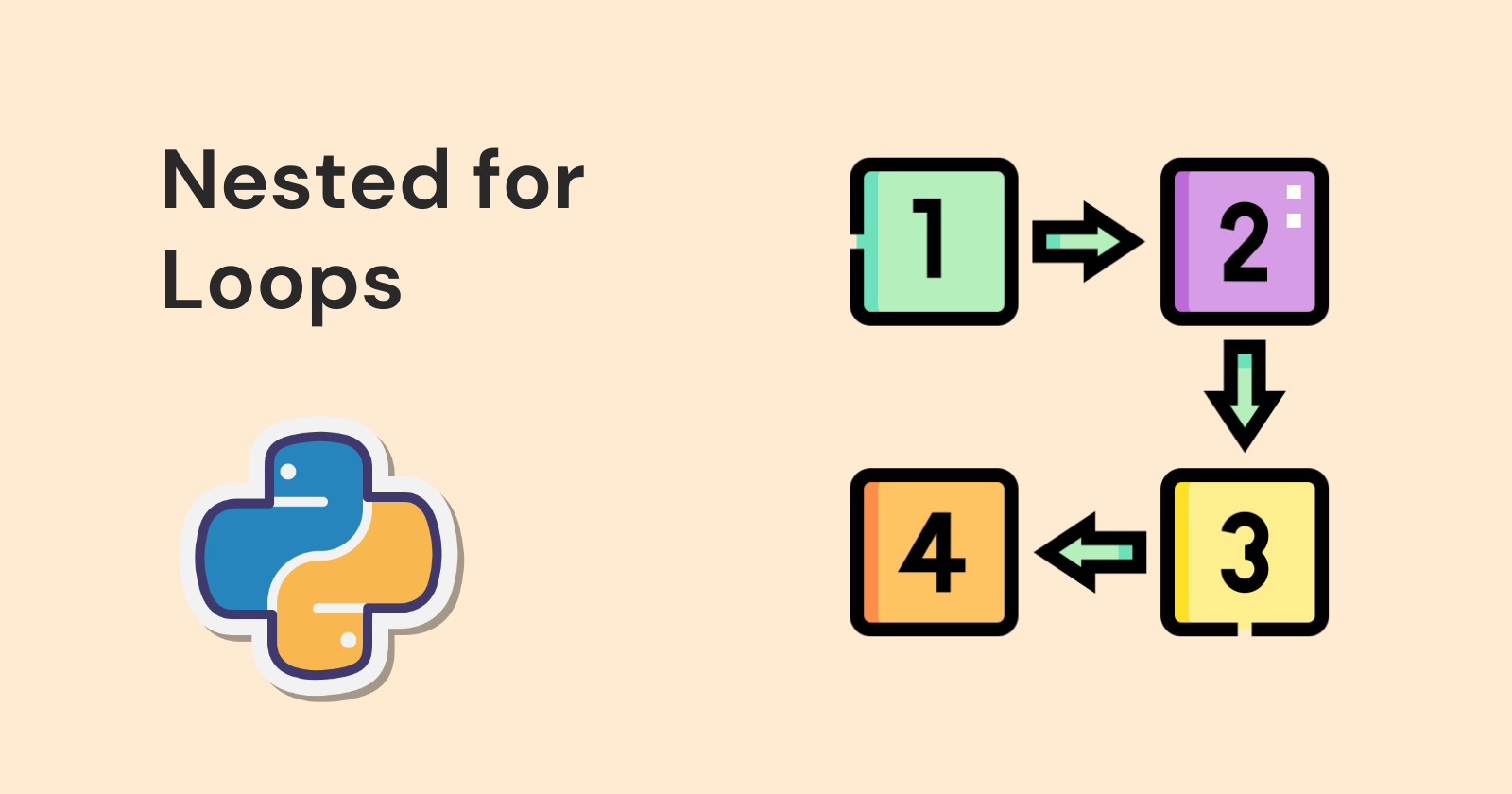
print("Finally finished!")A nested loop is a loop inside a loop.
adj = ["red", "big", "tasty"]
fruits = ["apple", "banana", "cherry"]

for x in adj:
  for y in fruits:
print(x, y)for loops cannot be empty, but if you, for some reason, have a for loop with no content, put in the pass statement to avoid getting an error.
for x in [0, 1, 2]:
  pass
This documentation covers the basics of Python loops, including while and for loops, along with control flow statements like break, continue, and else. Examples are provided for each concept to illustrate their usage effectively.